Why Protein Matters
Protein is the most functionally important macronutrient in your diet. While all three macros provide energy, protein is the only one that directly builds and repairs tissue — muscle, skin, hair, nails, enzymes, hormones, and immune cells all depend on adequate protein intake.
For anyone pursuing fitness goals, protein is critical for two reasons. First, it's essential for muscle protein synthesis — the process by which your body repairs and grows muscle tissue after exercise. Without sufficient protein, your workouts don't produce the adaptations you're training for. Second, protein is the most satiating macronutrient, meaning it keeps you fuller for longer per calorie consumed. This makes it invaluable for weight loss, where controlling hunger is half the battle.
Protein also has the highest thermic effect of food (TEF) among the three macronutrients. Your body uses approximately 20–30% of the calories from protein just to digest and process it, compared to 5–10% for carbohydrates and 0–3% for fat. This means that 100 calories from protein results in only 70–80 net calories available for use, giving high-protein diets a slight metabolic advantage.
Despite its importance, protein is the macronutrient most people under-consume. The typical Western diet skews heavily toward carbohydrates and fat, with protein often limited to a single serving at dinner. Spreading protein intake across all meals is far more effective for both muscle building and satiety.
"Protein is the single most important nutrient for body composition. Whether your goal is muscle gain or fat loss, optimizing protein intake has a larger impact on outcomes than any other dietary variable." — Dr. Eric Helms, Sports Nutrition Researcher, Auckland University of Technology
The RDA vs. Optimal Protein Intake
The Recommended Dietary Allowance (RDA) for protein is 0.8 grams per kilogram of body weight per day (0.36g per pound). For a 70 kg (154 lb) person, that's just 56 grams of protein — roughly the amount in two chicken breasts. This number is widely cited, but it's important to understand what it actually represents.
The RDA is the minimum amount needed to prevent deficiency in 97.5% of the healthy adult population. It was not designed to reflect the amount needed for optimal health, athletic performance, muscle growth, weight loss, or aging well. It's the floor, not the ceiling.
A 2017 position stand by the International Society of Sports Nutrition (ISSN) concluded that protein intakes of 1.4–2.0 g/kg/day are safe and beneficial for physically active individuals, and that higher intakes (up to 3.0 g/kg/day) may confer additional benefits for body composition in trained individuals during caloric restriction.
The gap between the RDA (0.8 g/kg) and evidence-based optimal intake (1.4–2.0 g/kg) is enormous. A 75 kg person following the RDA eats 60g of protein per day. The same person following ISSN guidelines eats 105–150g — nearly double to triple the RDA. Most nutrition researchers now agree that the RDA for protein is too low for anyone who exercises regularly, is trying to lose weight, or is over 50.
A systematic review published in the British Journal of Sports Medicine (2018) analyzed 49 studies with 1,863 participants and found that protein supplementation significantly augmented resistance training-induced gains in muscle mass and strength, with benefits plateauing at approximately 1.6 g/kg/day.
Protein Needs by Goal
Your ideal protein intake depends on what you're trying to achieve. Here are evidence-based ranges for common goals:
Weight Loss / Fat Loss
When eating in a calorie deficit, protein needs increase — not decrease. Higher protein intake preserves lean muscle mass during weight loss, improves satiety, and increases the thermic effect of your diet. Aim for 1.6–2.4 g/kg of body weight per day (0.73–1.1 g/lb). Research consistently shows that the leaner you are and the larger your deficit, the more protein you need to prevent muscle loss.
Muscle Gain / Hypertrophy
For building muscle in a calorie surplus, the evidence converges on 1.6–2.2 g/kg per day (0.73–1.0 g/lb). Going above 2.2 g/kg doesn't appear to accelerate muscle growth further in most people, though it isn't harmful. Pair this intake with a structured resistance training program for best results.
General Health / Maintenance
For non-athletes maintaining weight and general health, 1.2–1.6 g/kg per day (0.55–0.73 g/lb) provides meaningful benefits over the RDA — better satiety, improved body composition, and support for bone and immune health — without requiring extreme dietary focus.
Older Adults (50+)
Aging is associated with anabolic resistance — muscles become less responsive to protein. To counteract age-related muscle loss (sarcopenia), older adults benefit from 1.2–2.0 g/kg per day, with particular emphasis on the amino acid leucine. The American Medical Directors Association recommends at least 1.2 g/kg for healthy older adults and up to 2.0 g/kg for those who are exercising or recovering from illness.
Quick Reference Table
| Goal | Protein (g/kg/day) | Example: 75 kg Person |
|---|---|---|
| RDA Minimum | 0.8 | 60g |
| General Health | 1.2–1.6 | 90–120g |
| Muscle Gain | 1.6–2.2 | 120–165g |
| Fat Loss | 1.6–2.4 | 120–180g |
| Older Adults | 1.2–2.0 | 90–150g |
Best Protein Sources
Not all protein sources are created equal. The best sources are those that deliver high protein relative to their total calories while also providing other beneficial nutrients. Here are the top options across different dietary preferences:
Animal-Based Protein
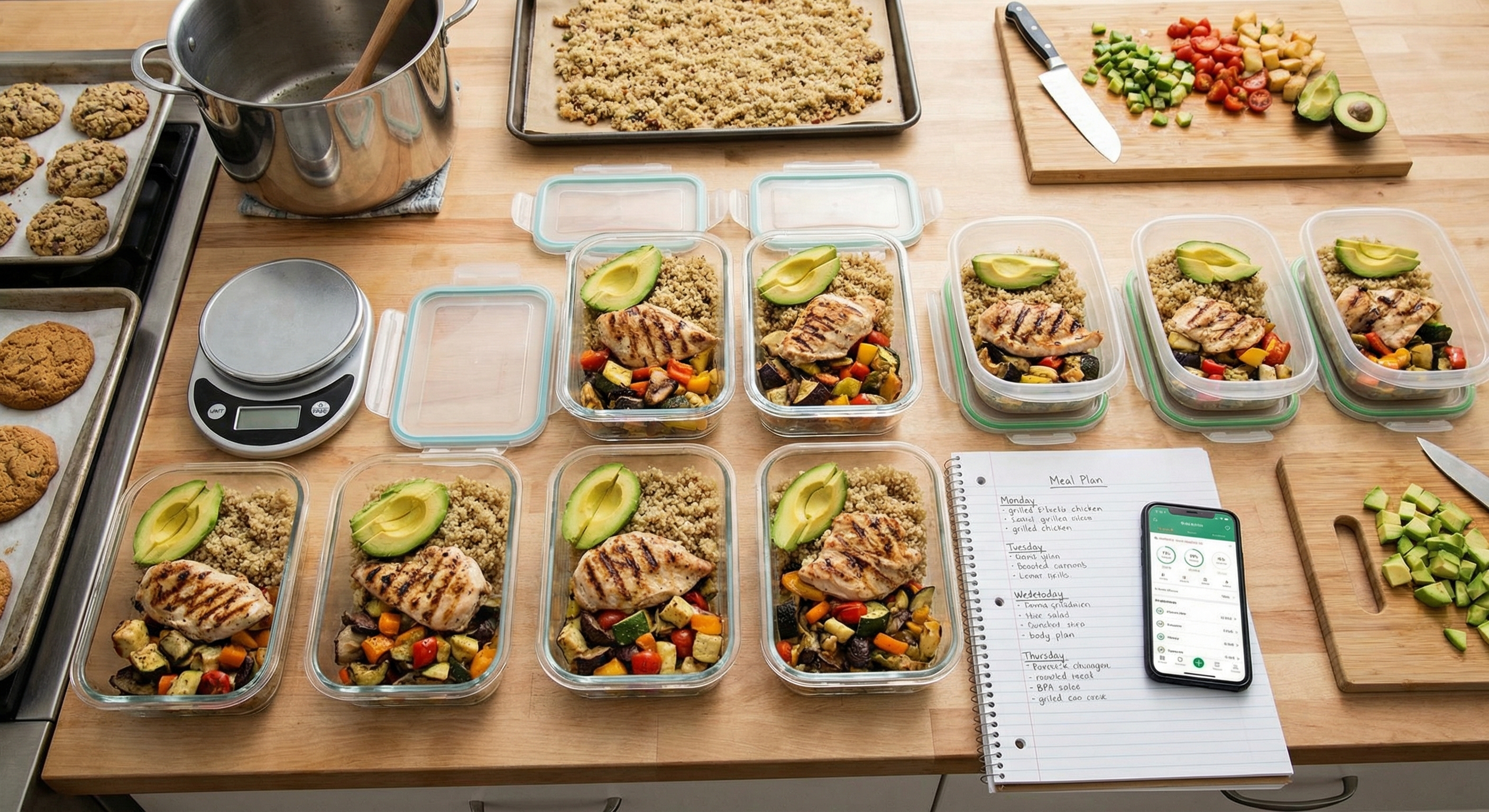
- Chicken breast: 31g protein per 100g, very lean, versatile. The gold standard for meal prep.
- Eggs: 13g protein per 2 large eggs, plus choline, B vitamins, and healthy fats. One of the most bioavailable protein sources.
- Greek yogurt (plain, nonfat): 10g protein per 100g with minimal fat. Excellent as a snack or breakfast base.
- Salmon: 25g protein per 100g, plus omega-3 fatty acids for heart and brain health.
- Lean ground turkey (93/7): 21g protein per 100g. Great for batch cooking.
- Cottage cheese: 11g protein per 100g with casein protein, which digests slowly — ideal before bed.
Plant-Based Protein
- Tofu (firm): 17g protein per 100g. Absorbs flavors well and works in stir-fries, scrambles, and bowls.
- Lentils (cooked): 9g protein per 100g, plus fiber and iron. One of the best plant-based sources.
- Chickpeas (cooked): 9g protein per 100g. Versatile in salads, curries, and hummus.
- Tempeh: 20g protein per 100g with probiotics from fermentation.
- Edamame: 11g protein per 100g. A complete protein source that works as a snack or side.
Supplements
- Whey protein: 20–25g protein per scoop with rapid absorption. Best post-workout.
- Casein protein: Slow-digesting, ideal before bed to support overnight recovery.
- Pea protein: A solid plant-based alternative with a complete amino acid profile when blended with rice protein.
Supplements are useful for convenience but should complement whole food sources, not replace them. Whole foods provide fiber, micronutrients, and other compounds that isolated protein powders lack.
Protein Timing and Distribution
How you distribute protein across the day matters almost as much as how much you eat in total. Your body can only use a limited amount of protein for muscle protein synthesis (MPS) at a single sitting — consuming 80g in one meal is less effective than consuming 40g across two meals.
Research published in the Journal of Nutrition (2014) found that evenly distributing protein across three meals (30g per meal) stimulated 24-hour muscle protein synthesis 25% more effectively than consuming the same total amount in a skewed pattern (10g at breakfast, 15g at lunch, 65g at dinner) — even though the total daily protein was identical.
Practical Distribution Guidelines
- Aim for 25–40g of protein per meal. This range maximizes the MPS response at each feeding. For most people eating 3–4 meals per day, this naturally hits the 1.6–2.2 g/kg target.
- Don't skip protein at breakfast. Breakfast is where most people fall short. A breakfast with 30g of protein (e.g., eggs, Greek yogurt, or a protein shake) sets you up to hit your daily target without needing to overload at dinner.
- Post-workout protein matters, but the window is wider than you think. The so-called "anabolic window" is not 30 minutes — it extends several hours. Consuming protein within 2–3 hours of training is sufficient for most people.
- Consider a pre-sleep protein source. Casein-rich foods like cottage cheese or a casein shake before bed can support overnight muscle recovery, particularly useful during intense training phases.
The key takeaway: don't save all your protein for dinner. Front-load it across the day for better satiety, energy, and muscle-building results.
Tracking Protein with NutriMind
NutriMind makes it easy to monitor your daily protein intake alongside your full macro and calorie breakdown. During onboarding, the app sets your personalized protein target based on your weight, activity level, and goal — so you start with a science-based recommendation from day one.
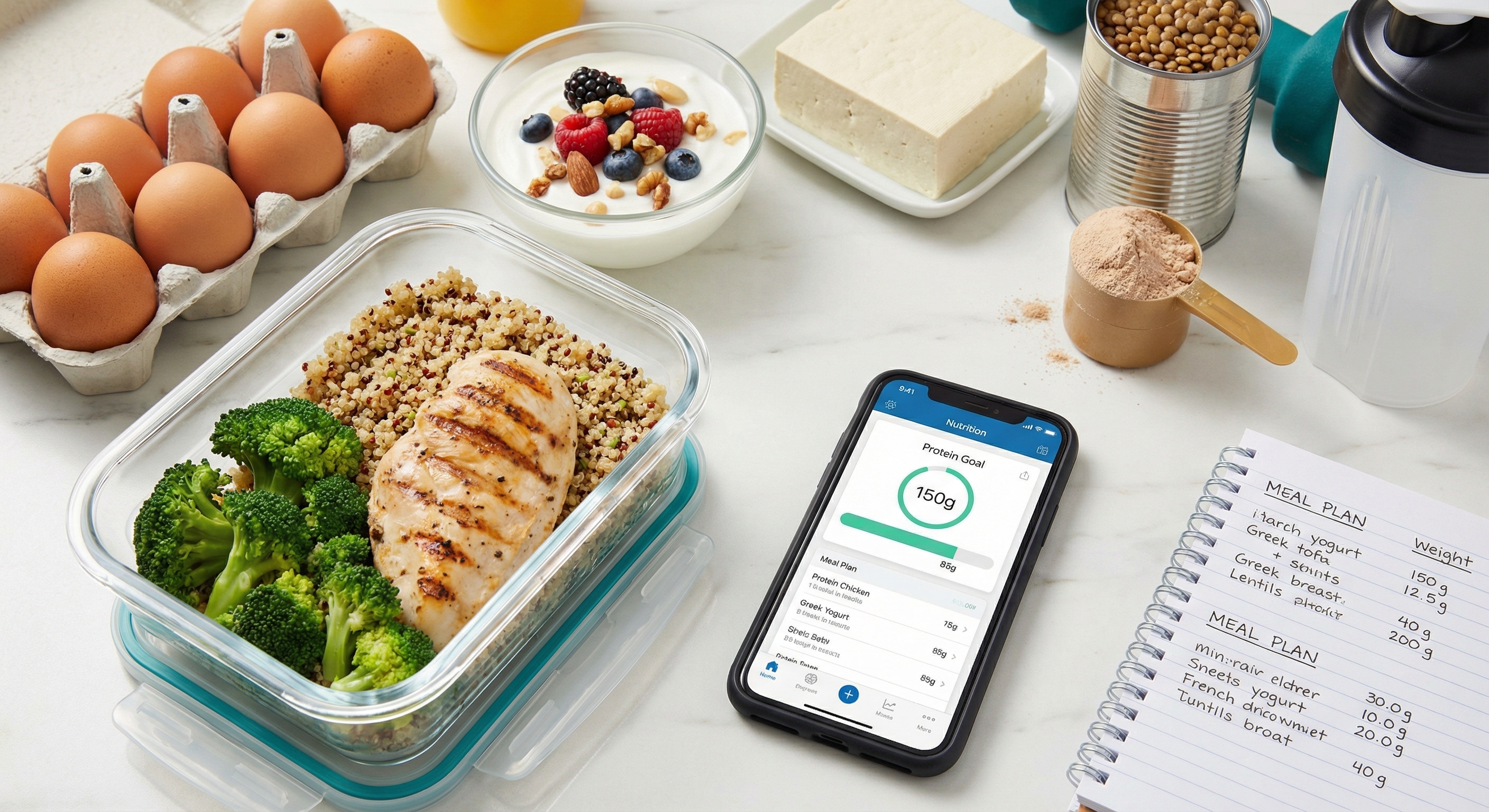
Throughout the day, NutriMind displays your protein progress in a clear visual tracker, showing exactly how many grams you've consumed and how many remain. This real-time feedback helps you plan ahead — if you see at lunchtime that you're at 45g of protein and your target is 150g, you know to prioritize protein at dinner and for your afternoon snack.
NutriMind's AI Macro Coach can answer protein-specific questions like "How can I add 30g of protein to lunch without adding too many calories?" or "What's a high-protein snack I can eat before bed?" — giving you actionable suggestions based on your current daily intake and what's remaining.
If you've struggled to hit your protein targets consistently, a tracking app makes the difference between guessing and knowing. Try NutriMind free and see how tracking your protein intake transforms both your awareness and your results.
Written by Johnny
Founder of NutriMind and health-tech developer. Johnny builds AI-powered tools that make nutrition tracking faster and more accessible for everyone.
Connect on LinkedIn →Try NutriMind Free
AI-powered food tracking, barcode scanning, macro coaching, and more — available on iOS, Android, and web.