Why Choosing the Right App Matters in 2026
In 2026, health consciousness is more prominent than ever, with millions worldwide prioritizing nutrition and fitness. The proliferation of calorie tracking apps offers personalized insights that can transform your approach to healthy living.
According to a 2019 systematic review in the International Journal of Behavioral Nutrition and Physical Activity, users of dietary self-monitoring apps lost 2–5 kg more over 3–6 months than non-users, with app-based tracking showing 50% higher adherence rates than paper-based food diaries.
Choosing the right app is crucial because it determines how accurately you can monitor your intake, set realistic goals, and stay motivated. With advancements in technology, these apps now incorporate AI-driven recommendations, real-time data sync, and robust community features, making them indispensable tools for anyone serious about health in 2026.
"Digital nutrition tools have moved from convenience features to clinical-grade instruments. The best apps now rival the accuracy of dietitian-administered dietary recalls while requiring a fraction of the user effort." — Dr. Carol Boushey, Nutrition Researcher, University of Hawaii Cancer Center
Top Features to Look for in a Calorie Tracking App
- Accurate Food Database: An expansive and precise database of foods, including new superfoods and international cuisines, ensures you log your meals accurately.
- Barcode Scanning: Quickly input foods with barcode scanning, streamlining the logging process and reducing errors.
- Personalized Nutrition Goals: Apps should tailor calorie and macro targets based on your age, weight, activity level, and health objectives.
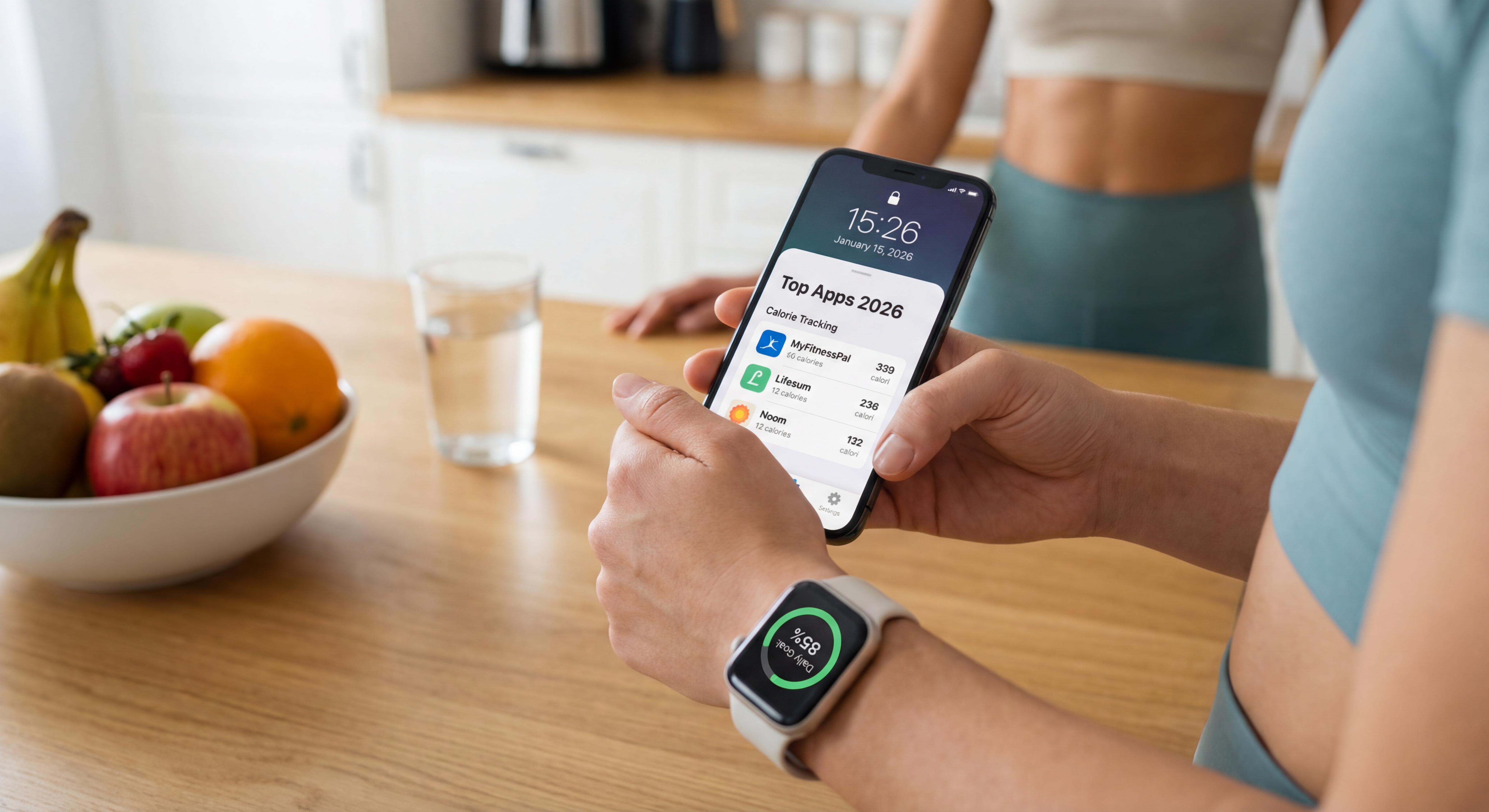
- Integration with Wearables: Sync with fitness trackers and smartwatches to get a comprehensive picture of your activity and calorie expenditure.
- Progress Tracking and Analytics: Visual dashboards and detailed reports help you understand trends and stay motivated.
- Community and Support Features: Participation in groups or access to expert advice can enhance accountability and engagement.
- User-Friendly Interface: Intuitive design ensures easy logging and quick access to features, making daily tracking hassle-free.
A 2018 study in Obesity found that the frequency of dietary self-monitoring — not the method — was the strongest predictor of weight loss success, with consistent users spending an average of just 14.6 minutes per day on logging by the sixth month.
Top 10 Apps for Calorie Tracking in 2026
1. MyFitnessPal
One of the most popular apps, MyFitnessPal boasts a vast food database, seamless integration with fitness devices, and personalized goal-setting. It now uses AI to suggest meal plans based on your habits.
2. Lifesum
Known for its visually appealing interface, Lifesum offers tailored diet plans, meal suggestions, and a barcode scanner. Its recent updates include AI-driven nutritional advice and integration with various wearables.
3. Yazio
Yazio emphasizes fasting and ketogenic tracking, making it ideal for users with specific dietary protocols. Its advanced analytics help monitor macros effectively.
4. Noom
Noom combines behavior change psychology with calorie tracking, offering coaching and community engagement, making it more than just an app — it's a lifestyle companion.
5. FatSecret
FatSecret provides a comprehensive food and exercise journal, with features like barcode scanning and photo food logging. Its calorie counter is highly accurate and easy to use.
6. Cronometer
Ideal for micronutrient tracking, Cronometer offers detailed nutrient analysis alongside calorie tracking, promoting a holistic approach to health.
7. SparkPeople
This app combines calorie tracking with workout plans and community support, encouraging overall lifestyle changes.
8. Carb Manager
Specialized for low-carb and keto diets, Carb Manager tracks macros with precision and offers recipes tailored to these diets.
9. Lose It!
Known for simplicity and efficiency, Lose It! features barcode scanning, challenges, and meal planning tools, motivating users through gamification.
10. Calory
A newer entrant, Calory uses AI to predict your eating habits, recommend food substitutions, and suggest meal timing for optimal results.
How to Use Calorie Tracking Apps to Achieve Your Fitness Goals
Maximizing the benefits of your chosen calorie tracking app requires a strategic approach. Here are some tips to help you succeed in 2026:
- Set Realistic Goals: Define attainable targets for weight loss, muscle gain, or maintenance based on your current health and lifestyle.
- Be Consistent in Logging: Make a habit of recording your meals and activities daily. Consistency provides accurate data trends that inform your progress.
- Utilize All Features: Use barcode scanning, meal planning, and analytics tools. Take advantage of integration with wearables for a comprehensive view.
- Review and Adjust: Regularly check your progress reports. Adjust your calorie intake and activity levels as needed to stay on track.
- Engage with Community: Join groups or forums within the app to stay motivated, share tips, and celebrate milestones.
- Combine with Physical Activity: Use the app alongside your exercise routines for balanced calorie management and fitness improvement.
The World Health Organization recommends that adults limit free sugars to less than 10% of total energy intake, and reducing to 5% would provide additional health benefits. A quality calorie tracking app makes monitoring these thresholds effortless.
Future Trends in Calorie Tracking Apps
Looking ahead, calorie tracking apps are set to become even more sophisticated. Some trends include:
- AI and Machine Learning: Enhanced algorithms will offer more personalized insights, meal suggestions, and predictive analytics based on your habits.
- Advanced Wearable Integration: Devices will measure more precise caloric expenditure, including non-exercise activity thermogenesis (NEAT) and stress-related calorie burn.
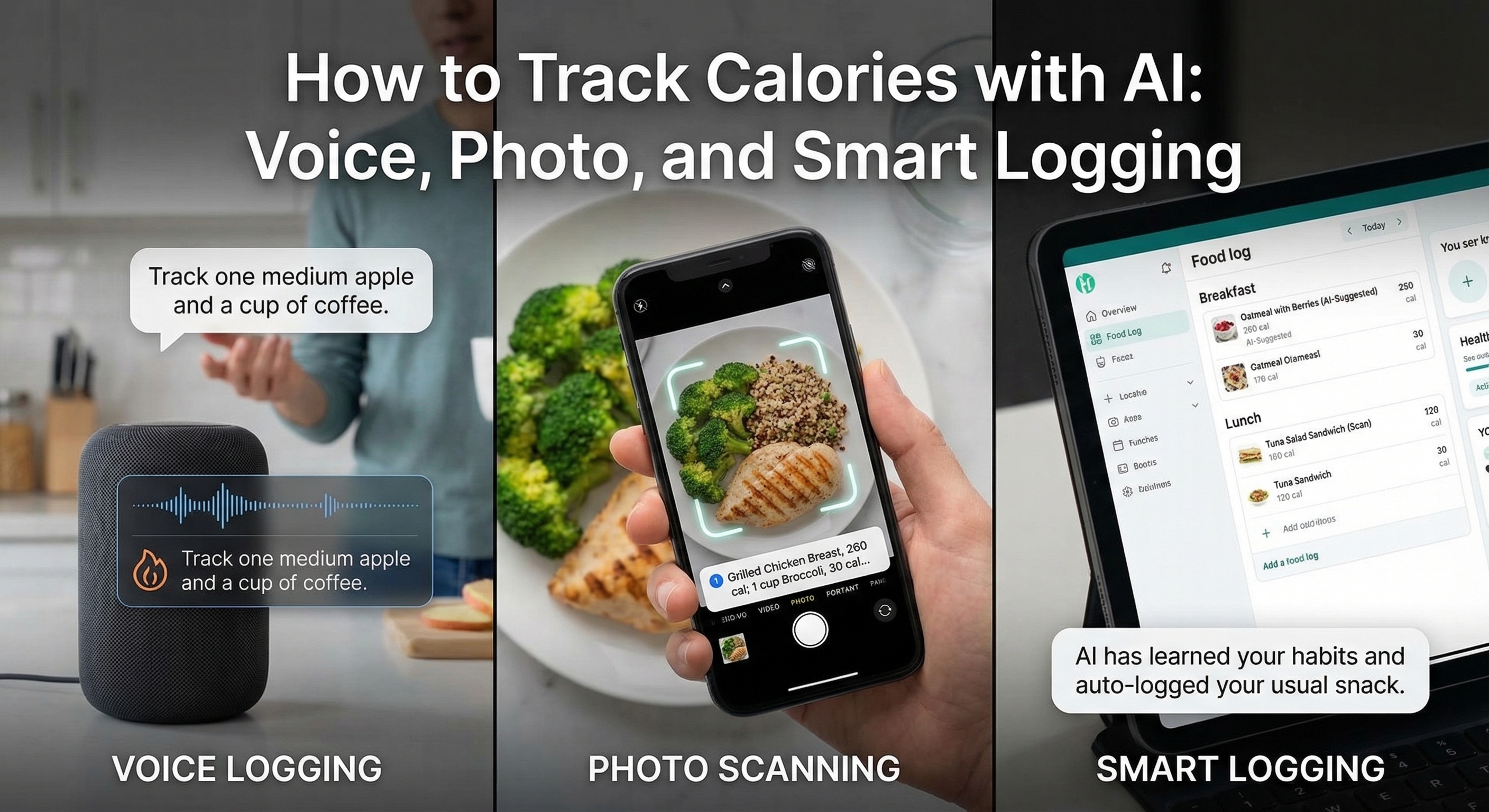
- Voice-Controlled Logging: Voice assistants like Alexa or Google Assistant will simplify meal logging through natural language processing.
- Global Food Databases: Expanded databases with international foods and regional specialties will make tracking accessible worldwide.
- Holistic Health Monitoring: Integration of mental health, sleep quality, and micronutrient tracking will provide a comprehensive health profile.
According to research published in Nutrients (2023), AI-powered food recognition accuracy has improved from roughly 50% in 2015 to over 90% on standard benchmarks, and integration with wearable biometric data is projected to push personalized calorie estimation accuracy even further.
These advancements promise to make calorie tracking more intuitive, accurate, and aligned with personalized health goals in 2026 and beyond.
Conclusion
Choosing the right calorie tracking app in 2026 can significantly boost your health journey by providing accurate data, personalized insights, and motivation. Whether you prefer detailed nutrient analysis, community support, or seamless device integration, today's top apps are equipped to support your unique needs.
If you're looking for an app that combines AI-powered photo recognition, barcode scanning, and personalized macro coaching all in one place, give NutriMind a try. Embrace technology, set realistic goals, and stay consistent to achieve the healthy lifestyle you desire in 2026 and beyond.
Written by Johnny
Founder of NutriMind and health-tech developer. Johnny builds AI-powered tools that make nutrition tracking faster and more accessible for everyone.
Connect on LinkedIn →Try NutriMind Free
AI-powered food tracking, barcode scanning, macro coaching, and more — available on iOS, Android, and web.